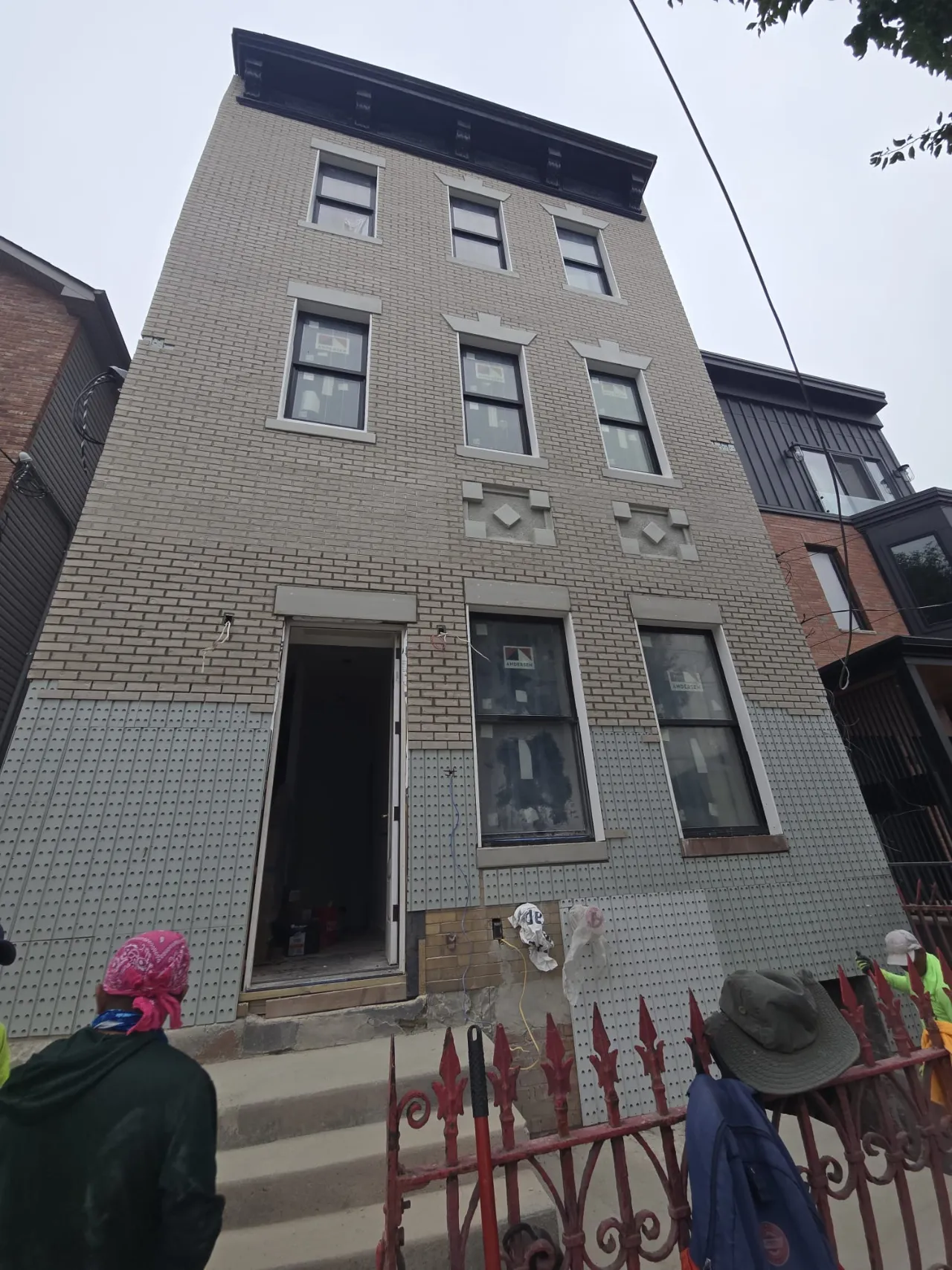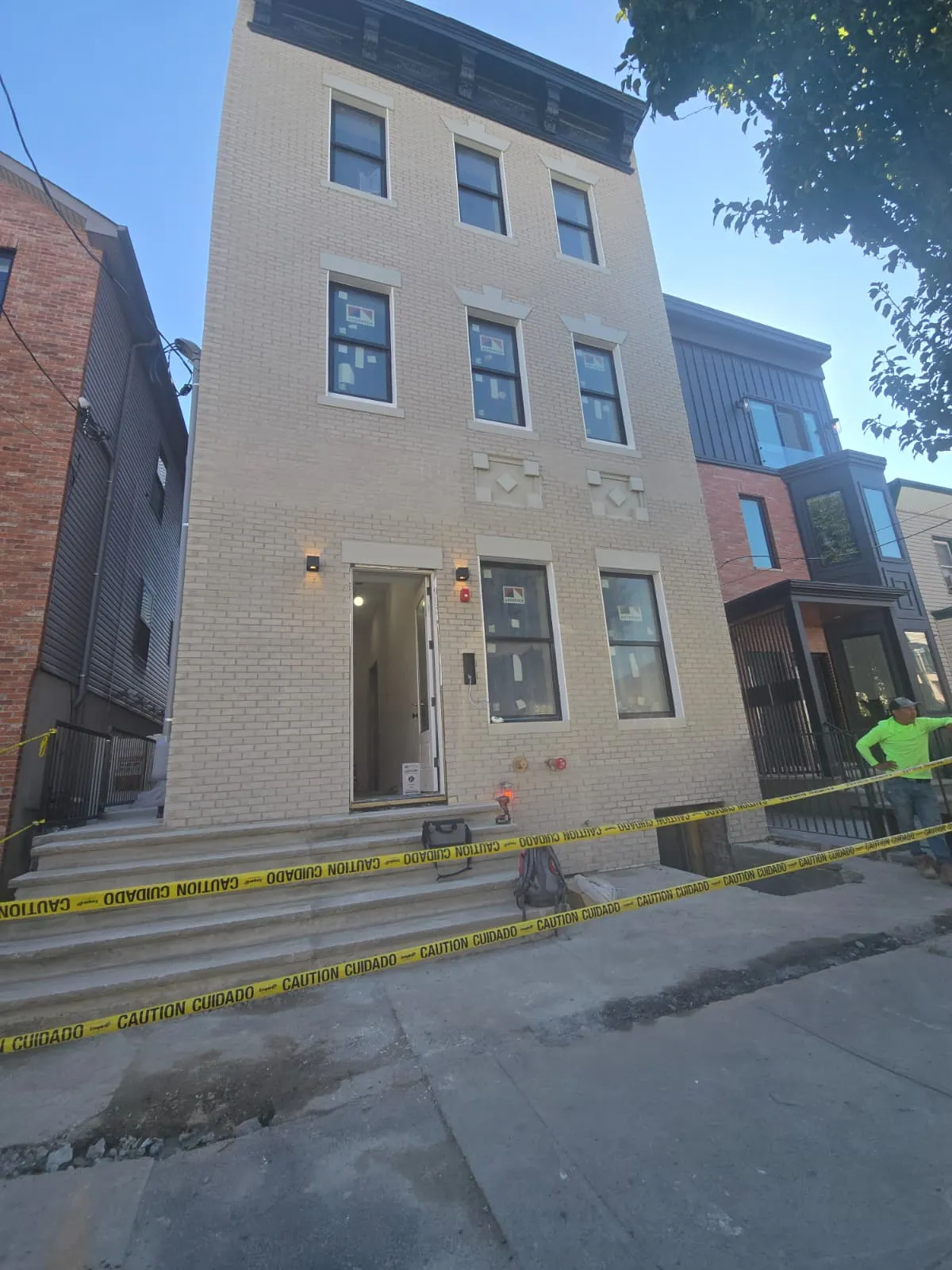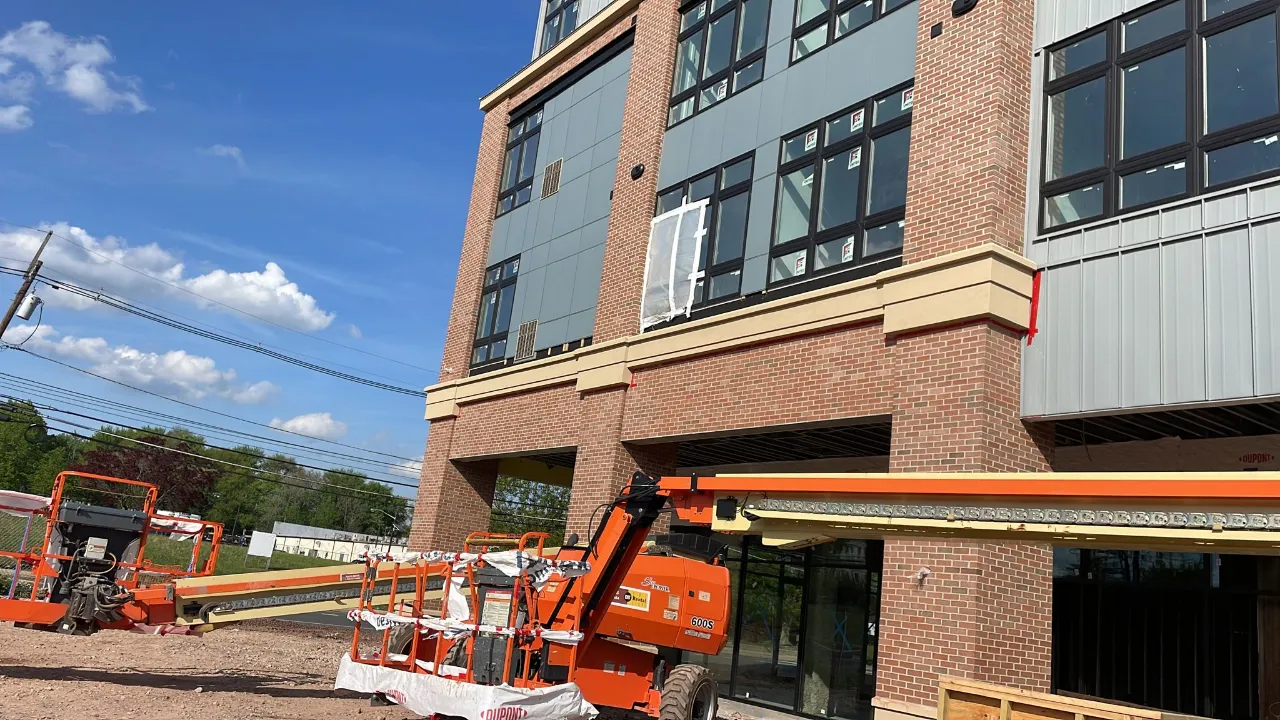
ADM Masonry LLC installs and repairs brick for walls, facades, chimneys, and outdoor structures throughout New Jersey. Our licensed crew delivers precise brickwork that enhances structural integrity, curb appeal, and weather resistance for residential and commercial properties.
Brick remains one of the most durable and architecturally versatile building materials available. When properly installed, a brick wall or facade can last a century with minimal maintenance. In New Jersey, brick construction is common across all property types — from historic brownstones in Newark and Jersey City to contemporary residential additions throughout the state's suburban communities.
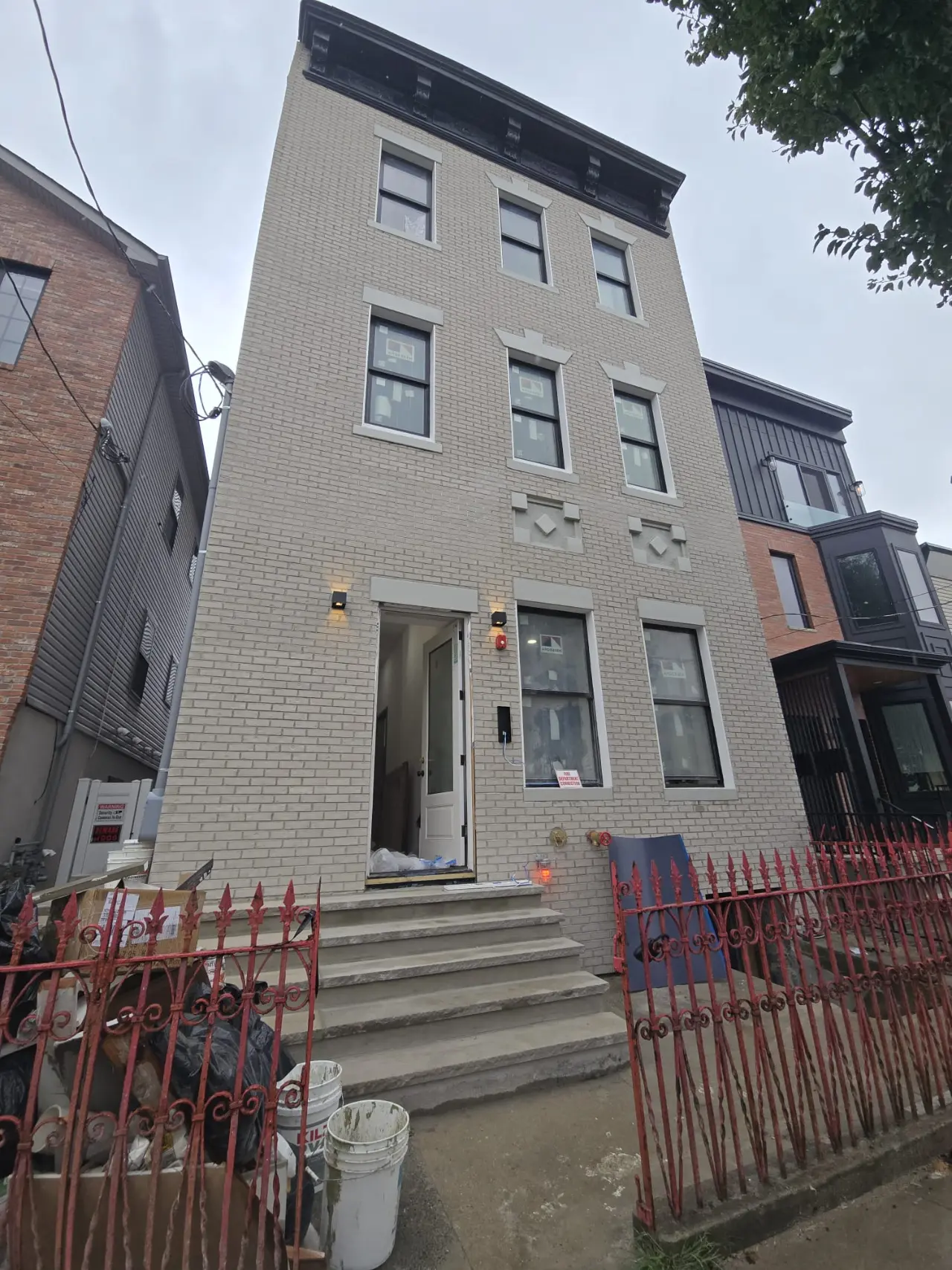
ADM Masonry LLC provides both new brick installation and repair services for residential and commercial clients across New Jersey. Our work covers structural brick walls, decorative facades, outdoor retaining and garden walls, chimney bodies, and brick accents for patios and entryways. Every project begins with a material selection consultation — choosing the right brick type, color, and mortar joint profile to match the existing structure or achieve the desired aesthetic.
New Jersey's climate demands that brick and mortar be selected and installed with freeze-thaw durability in mind. Brick rated SW (severe weathering) is required for exterior applications in the state. Mortar joint profiles that allow water to shed — such as the rodded or concave joint — outperform flat-cut joints that collect standing water and deteriorate faster under freeze-thaw stress.
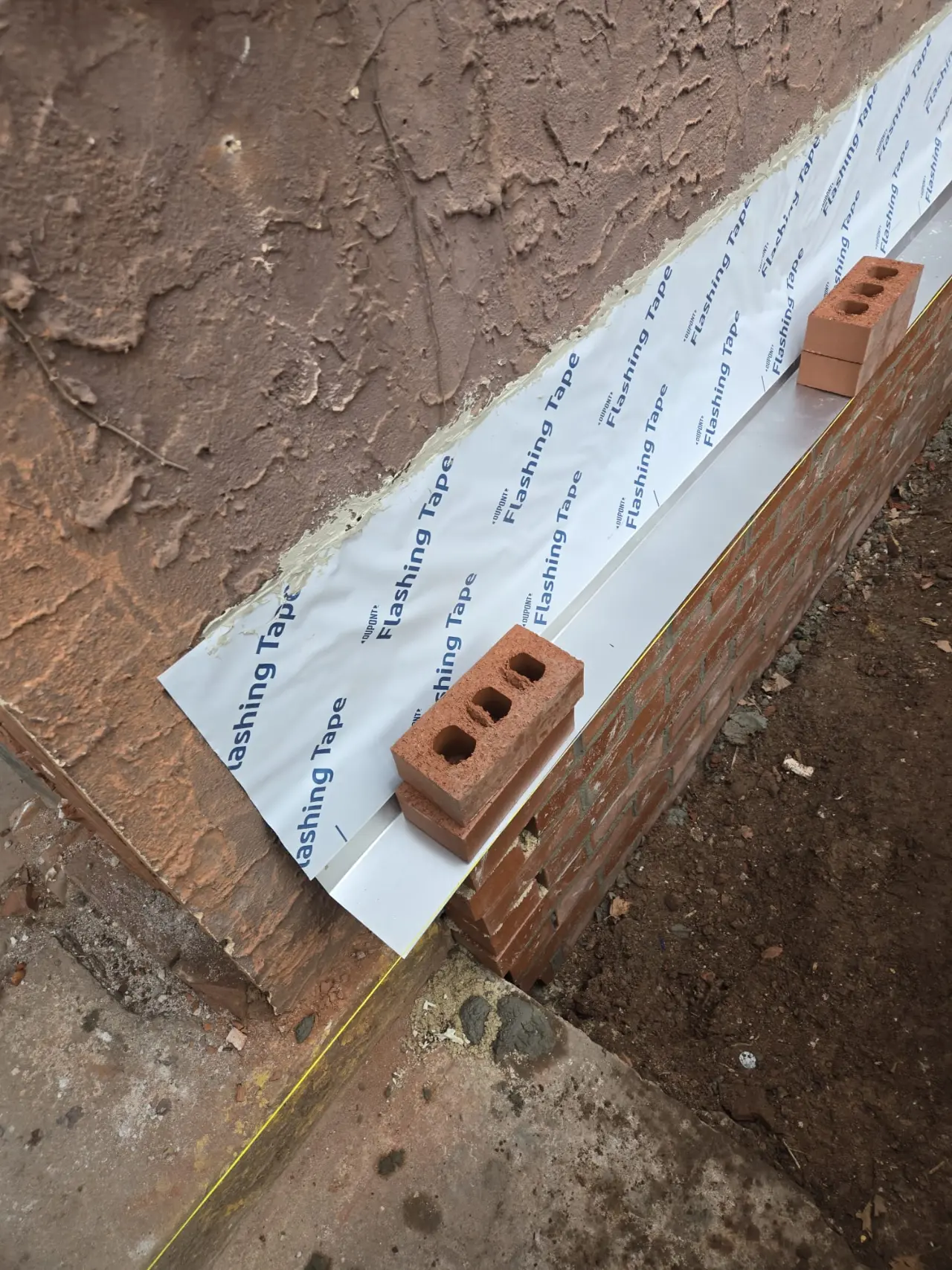
New brick installation begins with a properly prepared base. For freestanding garden and retaining walls, this means a concrete footing poured below the frost line — 36 inches minimum in New Jersey. For facade applications, the existing structural wall must be evaluated to confirm it can support the added veneer weight before installation begins.
Our brick installation process uses full-bed mortar joints with consistent thickness, typically three-eighths of an inch, to distribute load evenly and prevent stress concentrations that lead to cracking. Courses are kept level with a string line and checked with a level throughout the installation. Corners are built first and used as guides for the field courses, ensuring the wall remains plumb and aligned from base to top.
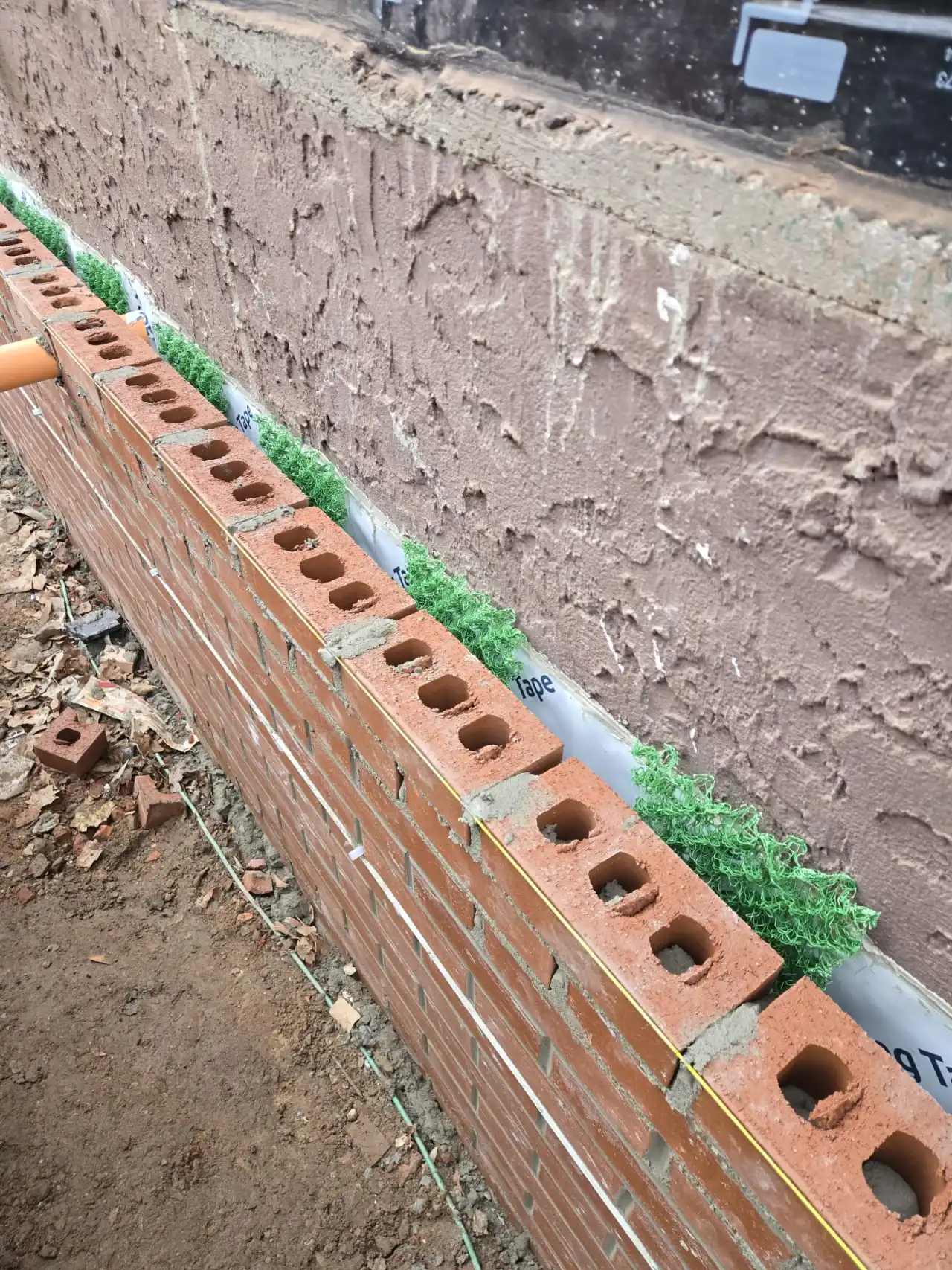
For brick veneer applications on residential additions and new construction, we install corrugated metal ties at regular intervals to bond the veneer to the structural wall behind it. Weep holes are placed at the base of every veneer section to allow any moisture that enters behind the brick to drain out rather than accumulate. These details are specified in New Jersey's residential code and are critical for long-term performance.
Brick repair covers a wide range of conditions — from isolated spalled bricks and cracked mortar joints to sections damaged by water infiltration, vehicle impact, or structural settlement. The first step in any brick repair is identifying the root cause of the damage. Replacing individual bricks without addressing the underlying issue — whether drainage, settlement, or mortar failure — leads to recurring damage in the same area.
Tuckpointing, also called repointing, is one of the most common brick repair services we perform in New Jersey. As mortar joints age, they shrink, crack, and lose adhesion — allowing water to penetrate the wall. We remove deteriorated mortar to a depth of three-quarters of an inch using an angle grinder or oscillating tool, clean the joint cavity, and pack new mortar in two layers to achieve a fully consolidated, weather-tight joint.
Individual brick replacement requires matching both the brick dimensions and the color and texture as closely as possible to the existing field. For historic properties in New Jersey, we work with lime-based mortar formulations that are compatible with older, softer bricks and will not trap moisture or cause additional damage to the surrounding units.
Brick construction in New Jersey must contend with some of the Northeast's most demanding weathering conditions. Summer temperatures routinely exceed 90 degrees Fahrenheit, while winter temperatures drop well below freezing. This temperature range, combined with heavy precipitation and road salt exposure, creates a severe weathering environment that separates quality masonry from work that merely looks correct at installation.
Working with a licensed brick contractor in New Jersey ensures that material specifications, installation details, and repair methods all meet the building code requirements for your project type. Unlicensed work often uses incorrect mortar strengths — a mortar that is too hard for the brick type will cause the bricks to crack rather than allow the mortar joint to flex. ADM Masonry LLC selects mortar type based on the specific brick and application.
ADM Masonry LLC is based in Newark, NJ and serves residential and commercial clients throughout Essex, Hudson, Union, Bergen, and Passaic counties. Our licensed crew is available for projects large and small across the state.
Request a free estimate for your New Jersey project. Our licensed crew provides clear written quotes with no obligation.